WWO Editorial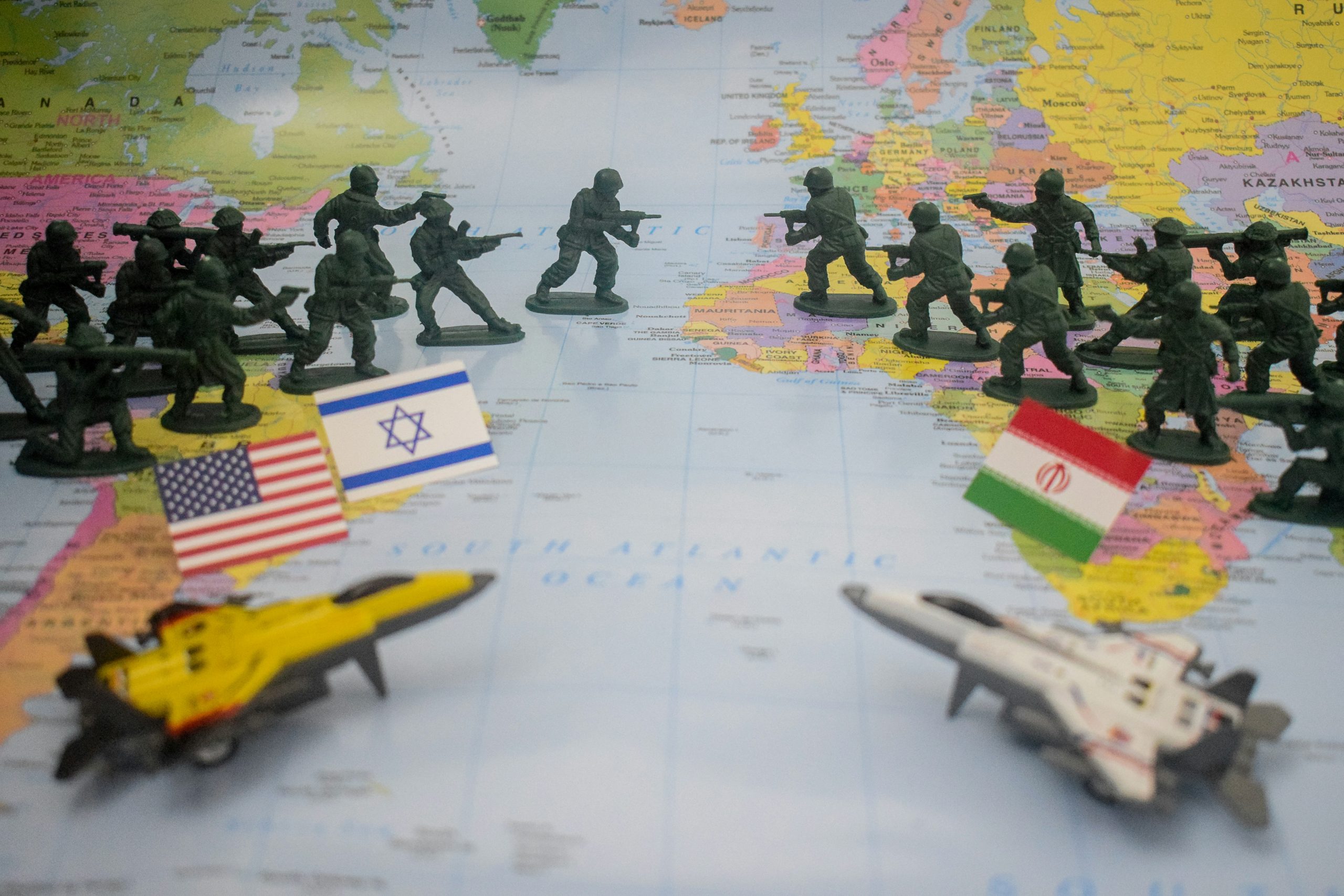
The Middle East has spent the past two years in a condition best described as controlled escalation — each side probing, retaliating, and then pulling back from the edge of full confrontation. Iran’s nuclear programme has advanced to levels that Israeli military planners describe as existential. Israel’s strikes on Iranian proxies across Lebanon, Syria, and Gaza have reshaped the regional security map. And through it all, both Tehran and Jerusalem have maintained, publicly, that they do not want a direct war.
Watch what they build, not what they say.
Iran has continued hardening its nuclear infrastructure at Fordow and Natanz, moving enrichment to underground facilities that are increasingly difficult to destroy without causing catastrophic civilian casualties. Israel has conducted one of the most sustained covert warfare campaigns in modern history — targeting Iranian scientists, infrastructure, and proxy commanders across multiple countries simultaneously.
The United States sits in an uncomfortable middle position. Formally committed to Israeli security, diplomatically invested in preventing regional war, and domestically constrained by an electorate exhausted by Middle Eastern entanglements, Washington has consistently tried to deter both Iranian advance and Israeli unilateral action without fully succeeding at either.
What makes this moment particularly dangerous is the absence of reliable communication channels. The diplomatic infrastructure that once allowed adversaries to signal intent and avoid miscalculation has largely collapsed. In that vacuum, a miscalculation — a strike that goes further than intended, a retaliatory action that triggers a response nobody planned for — becomes the most plausible path to the war nobody says they want.
Africa and the Global South have an acute stake in this stability. An Iranian-Israeli war that draws in regional powers and disrupts Gulf oil exports would send energy prices to levels that would devastate import-dependent African economies within weeks. This is not a distant problem. It is priced into every fuel pump on the continent.
— Worldwide Observer Geopolitics Desk