WWO Editorial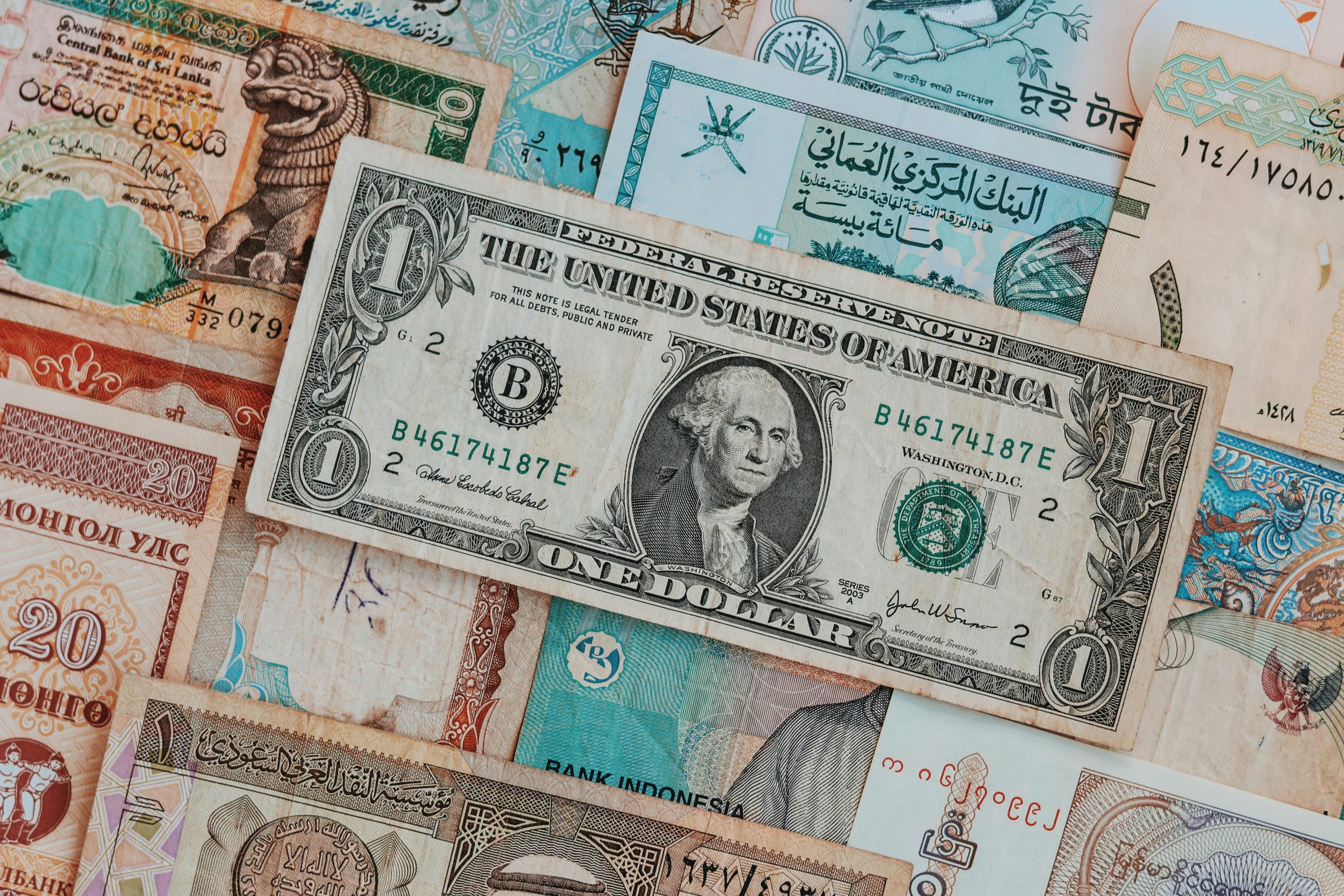
When BRICS nations discuss de-dollarisation — reducing global dependence on the US dollar as the world’s reserve currency and primary medium of international trade — the conversation is often framed as a geopolitical power struggle between Washington and its rivals. That framing misses the more consequential question: what does a post-dollar world actually mean for Africa?
The appeal of the argument is obvious. Dollar dominance gives the United States extraordinary leverage over the global economy. When the Federal Reserve raises interest rates to fight American inflation, African countries with dollar-denominated debt see their repayment costs surge overnight without having made a single economic decision that justified it. When the US imposes sanctions, any country that processes transactions in dollars becomes a potential enforcement target. The system was built for American interests and operates accordingly.
A multipolar currency system, in theory, would reduce this asymmetry. African nations trading in their own currencies or in a BRICS settlement mechanism would be less exposed to Washington’s monetary decisions.
The danger, however, is structural and immediate. African central banks hold significant dollar reserves. African governments have issued dollar-denominated bonds. African importers — including for food and fuel — price their purchases in dollars. A rapid or disorderly transition away from dollar dominance would expose every one of these vulnerabilities simultaneously, potentially triggering currency crises worse than anything currently contemplated.
The honest position for African policymakers is this: the current dollar system is unfair, and a transition away from it is probably inevitable and ultimately desirable — but the transition itself carries enormous risk, and Africa needs to be at the table designing it rather than finding out what was decided after the fact.
BRICS expansion has brought several African nations into the conversation. Whether they have genuine influence in it, or are simply adding legitimacy to decisions already made in Beijing and Moscow, is the question that will define the next decade of African economic sovereignty.
— Worldwide Observer Economics Desk